
Education
The Role of Technology in Schools: The Silent Learning Revolution
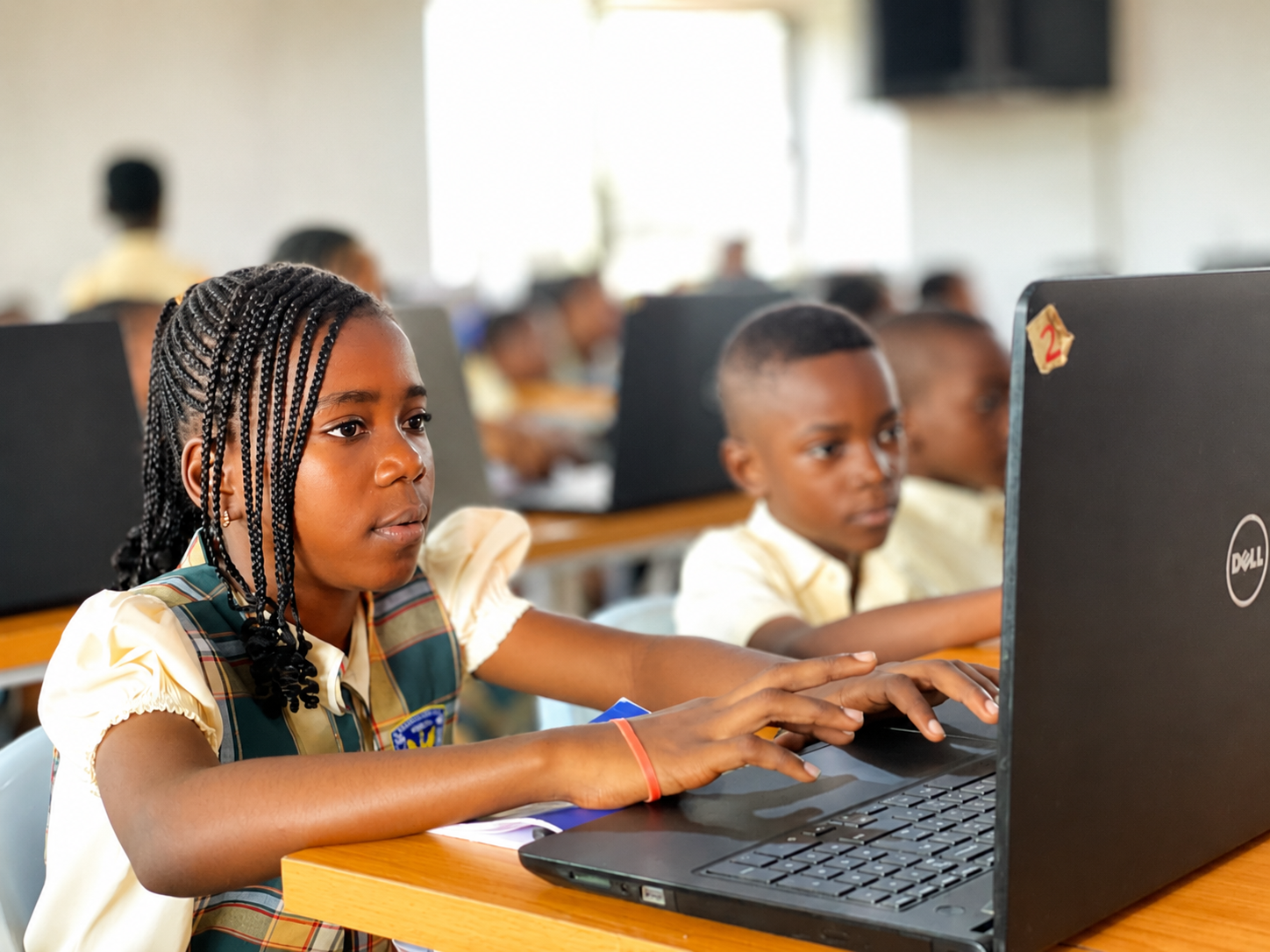
Technology helps students learn better by making lessons more interesting and easier to understand. It gives access to information, improves teaching methods, and helps communication between teachers, students, and parents. When used properly, it prepares students for the future, but it must be used responsibly.
By Ijomah Faith
•
June 19, 2026
•
3 min read
Imagine a classroom where students can explore the depths of the ocean, visit ancient civilizations, or solve complex mathematical problems with just a few clicks. This is no longer a vision of the future; it is the reality of modern education. Technology has become an indispensable part of schools, transforming how students learn and how teachers deliver knowledge.
Gone are the days when learning was limited to textbooks and chalkboards. Today, computers, tablets, smartphones, and the internet have opened doors to endless educational opportunities. With information readily available at their fingertips, students can learn beyond the boundaries of the classroom and develop a deeper understanding of various subjects.
One of the greatest advantages of technology in schools is easy access to information. Students can conduct research, watch educational videos, access digital libraries, and use interactive learning applications to enhance their knowledge. Difficult concepts that once seemed challenging can now be understood through visual demonstrations, simulations, and online tutorials.
Technology has also revolutionized the teaching process. Teachers can use multimedia presentations, smart boards, projectors, and educational software to make lessons more interactive and engaging. Instead of relying solely on verbal explanations, educators can incorporate visuals, animations, and real-life examples that help students grasp concepts more effectively.
Communication within the educational community has improved significantly as well. Through emails, learning management systems, and school portals, teachers can share assignments, provide feedback, and communicate important information with students and parents. This seamless exchange of information fosters greater collaboration and ensures that everyone remains informed about academic progress.
Beyond academics, technology equips students with essential skills needed in today's digital age. Skills such as typing, online research, critical thinking, problem-solving, and digital literacy have become increasingly important in higher education and the workplace. By integrating technology into learning, schools are preparing students to thrive in a rapidly evolving world.
However, it is essential for every learner to use technology responsibly and purposefully to maximize its educational benefits rather than allowing it to become a source of distraction or misuse. Parents must also play an active role in guiding and monitoring their children's use of technology to ensure it supports learning, personal growth, and positive development. Although our world has become increasingly technologized, we must not allow technology to replace discipline, critical thinking, meaningful human interaction, and the values that shape responsible individuals. As the adage goes, "Technology is a good servant but a bad master."
In conclusion, technology has greatly improved education in schools. When used wisely, it enriches learning experiences, enhances teaching effectiveness, and prepares students for the opportunities and challenges of the future. It remains a powerful tool for progress, but only when guided with wisdom, discipline, and balance.
Discover more inspiring articles and educational insights on the Cambridge International School Blog.